Causes
Spot Spring Allergy Triggers
When spring is in the air, so is pollen, mold, and other allergy triggers. If you’re one of the millions of people who experience stuffy sinuses, sneezing, and red, itchy eyes at this time of year, follow these steps to help prevent symptoms.
Pollen
In the spring, trees, shrubs, weeds, and grasses release billions of tiny pollen grains into the air. Flowering plants usually don't cause allergies. To reduce your exposure:
-
Don't do outdoor activities in the early morning. This is a peak time for pollen. Allergy symptoms are also more likely to get worse in the late evening.
-
Stay inside when it’s windy and on days when the pollen count is high. Check the pollen count on an app, weather report, or online.
-
Wear a filter mask when mowing the lawn or doing other outdoor chores. Or have someone else do these chores, if possible.
-
If possible, use air conditioning when pollen counts are high. Be sure to clean filters regularly.
-
Keep car windows shut and the air conditioner on when driving.
-
Keep pets out of the bedroom. This is because pollen sticks to fur.
-
To remove pollen after being outdoors, take a shower, wash your hair, and change your clothes.
-
Wash your clothes and dry them in the dryer instead of outdoors on a clothesline.
Mold
Molds release tiny spores (indoors and out) that can trigger mold allergies. To reduce your exposure:
-
Stay away from hay, straw, and areas with lots of plants.
-
Don’t rake leaves. If you must rake, wear a filter mask.
-
In warm weather, use an air conditioner, if possible, to cool and dry indoor air.
-
Clean hard surfaces with a bleach-and-water solution.
-
Fix any leaky roofs, pipes, or faucets in your home.
-
Keep the humidity in your home below 60%. Clean dehumidifiers often to prevent mold and mildew.
-
Ventilate damp areas of your house well, such as the bathroom, kitchen, and basement.
Dust mites
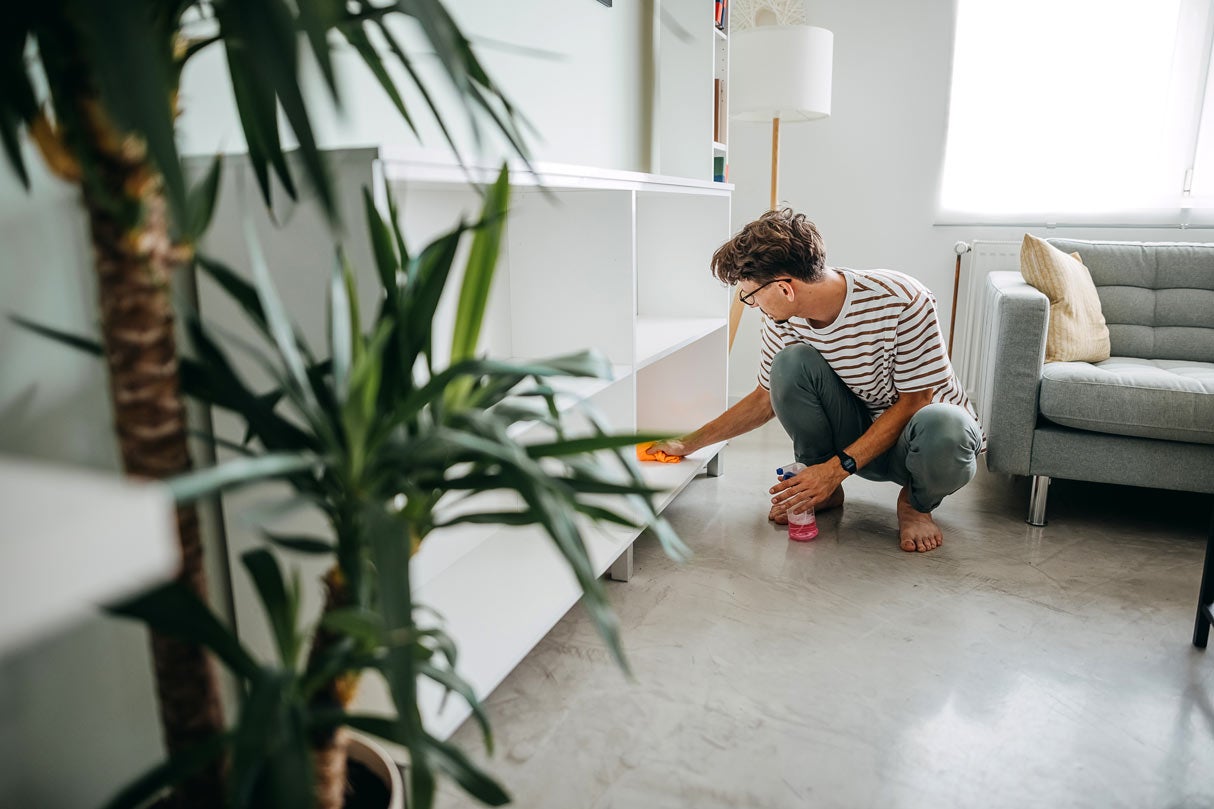
Dust mites live in upholstery, bedding, and carpets. Spring cleaning can stir them up. To reduce your exposure:
-
Vacuum weekly. Use a vacuum with a HEPA (high-efficiency particulate air) filter that traps dust. Wear a dust mask while vacuuming.
-
Use allergy-proof covers on pillows, mattresses, and box springs.
-
Wash bedding in hot water once a week. Dry it in a dryer on hot.
Author: Case, Jameson
Online Medical Reviewer: Dan Brennan MD
Online Medical Reviewer: Deborah Pedersen MD
Online Medical Reviewer: Jessica Gotwals RN BSN MPH
Date Last Reviewed: 08/01/2023
Copyright Health Ink & Vitality CommunicationsRelated Articles

Get Ready for Spring!
For many allergy sufferers, spring is one of the most challenging times of the year. Here are some tips to help you.
Do’s and Don’ts for Springtime Allergies
Spring is in the air! And pollen, too … which means the sniffling, sneezing, and itchiness of allergies are soon to follow. But you don’t have to resign yourself to weeks of congested misery—there are ways to prevent symptoms and still enjoy the season.
Seasonal Tips to Ease Allergy Symptoms
Pollen and mold allergies can bring a range of uncomfortable symptoms, including a runny nose and itchy throat. But these allergens aren’t the only ones to disrupt daily life—other common substances can also trigger allergy-like symptoms. Try these tips to feel better and enjoy yourself no matter the season.
Grow an Allergy-Friendly Garden This Spring
If you’re one of the 40 to 60 million Americans with hay fever, pollen from the grasses, trees, and weeds in your neighborhood can aggravate symptoms. But planting certain seeds, shrubs, and saplings this spring can help you have fewer symptoms all season long.