Symptoms
Beyond Hot Flashes: Other Symptoms of Menopause
November 2023
The time leading up to a woman’s last period, called perimenopause, is filled with many changes. Some, like hot flashes, are well-known. Others may surprise you. Learn how to manage these lesser-known symptoms and feel better.
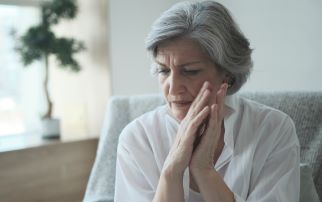
Bathroom blues
Do you find yourself racing to the restroom? Feel a little leak when laughing with friends? You are not alone. During perimenopause, estrogen levels begin to drop, weakening the urethra and leading to urinary incontinence in some women.
Self-care strategies.
To combat incontinence, strengthen the pelvic floor muscles, which support your bladder and uterus. Start by performing Kegel exercises—squeezing and relaxing the muscles you use to stop the stream of urine while peeing. In addition, avoid food and drinks high in acid or caffeine (think coffee, grapefruit, or tomatoes), which can irritate the bladder. If you are struggling with incontinence problems, a physical therapist who specializes in the pelvic floor can help.
Sabotaged sleep
Whether you wake up in the middle of the night or struggle to fall asleep, sleep problems are all too common in menopausal years. Yes, the stress and responsibilities of aging into the sandwich generation can sideline slumber. But shifting hormones also play a role. Other menopause symptoms (hello, hot flashes!) can interrupt sleep, too.
Self-care strategies.
To increase your z’s, take a walk or bike ride during the day. Exercise is one of the best things you can do for better sleep. Bonus: It may also help curb hot flashes. Then, focus on good sleep hygiene. Make sure your bedroom is dark and cool. Avoid looking at your phone or other screens close to bedtime. And create a relaxing nighttime routine, such as taking a bath or reading.
Tummy troubles
Feeling bloated or crampy? Hormonal changes related to menopause may be the cause. Decreases in estrogen and progesterone raise our body’s cortisol hormones. High cortisol levels can result in bloating, constipation, abdominal pain, and indigestion.
Self-care strategies.
Take steps to reduce your stress. Work with your healthcare provider to identify foods that trigger your digestive issues. See your provider right away if you experience unexplained weight loss or rectal bleeding.
Ringing in the ears
Whether it is ringing, roaring, hissing, or buzzing, if you hear a constant noise in one or both ears, you may have tinnitus. The condition is often associated with hearing loss or exposure to loud noises, but menopause may raise risk as well. Some experts point to changes in reproductive hormones that may affect the inner ear. Sleep issues common during menopause could also contribute.
Self-care strategies.
While tinnitus typically does not pose a danger to your health, it can be distressing and annoying. To help, focus on good sleep habits and talk with your provider about low-dose hormone replacement therapy, which has been shown to improve symptoms.
Heartbeats
Up to 40% of women in perimenopause—and more than half of postmenopausal women—experience heart palpitations. The correlation between these fluttering, racing, or pounding feelings in the chest and menopause needs to be studied more, experts say.
Self-care strategies.
You can reduce heart palpitations by cutting back on caffeine and taking steps to manage stress. If you are concerned about palpitations, talk with your healthcare provider.
Moody matters
Studies show that a whopping 2 in every 3 women going through perimenopause may deal with cognitive issues such as memory problems and difficulty concentrating. Emotional issues like mood changes and anxiety are common, too. These symptoms can be caused by hormone fluctuations, other menopause symptoms, or a combination of both.
Self-care strategies.
Focus on self-care. In addition to eating a healthy diet, getting quality sleep, and exercising regularly, engage in activities like yoga, meditation, listening to music, reading or spending quiet time outside, which can reduce stress. Stay connected with family and friends.
Most important, be sure to share any new or troubling symptoms with your healthcare provider. They may recommend treatments or recognize signs of a more serious problem.
Date Last Reviewed: 08/01/2023
© 2000-2025 The StayWell Company, LLC. All rights reserved. This information is not intended as a substitute for professional medical care. Always follow your healthcare professional's instructions.Related Articles

Life After Cancer: Menopause After Treatment
Some cancer treatments include taking out your ovaries, or causing them to stop working. This can lead to menopause symptoms that can cause problems with everyday life. But there are things you can do to manage menopause after cancer.
Coping with Perimenopause
The years leading up to menopause can be hard both physically and emotionally. These tips can help you cope.
Perimenopause
Menopause occurs when you stop having periods for good. For many women, this happens around age 50. The time of change before this is called perimenopause. It may start in your late 30s or 40s, and can last for months or years.
Hormone Changes During Menopause
Menopause is not a sudden change. During the months or years before menopause (perimenopause), the ovaries begin to run out of eggs. Less estrogen and progesterone are made. This may bring on symptoms, such as hot flashes.