Tracking your fitness progress can help you improve your long-term health. Seeing how far you’ve come may motivate you to do more. Your health care provider can also use a record of your progress to help plan your treatment. If you need help thinking of a fitness activity, talk to your provider. Together you can find a safe activity that you enjoy.
Recording blood sugar levels
Your provider may have shown you how to check your blood sugar. Now that you’re more active, you may need to check it more often, such as before and after exercising. Ask your provider what they suggest. Keep a blood sugar log. That way you can see how your efforts are paying off. You may also include a column for blood sugar readings in a fitness log (see Keeping a Fitness Log below). Bring any log books and your meter with you to your appointments. Your provider can use them to help decide whether to change your medicines.
Setting a fitness goal
A fitness goal gives you something to reach for. Set a goal you can reach. It does no good if your goal is beyond your ability. And choose a goal that focuses on action. Be specific. For instance, your first goal may be to take 2, 10-minute walks a day for 1 week. After you reach your first goal, try making the next one more challenging. Invite a friend to exercise with you so you can encourage each other to strive toward your goals.
Keeping a fitness log
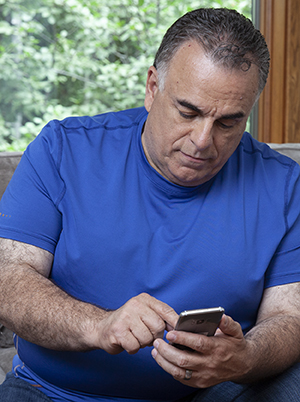
Include the information that matters most to you in your fitness log. This may be how you felt before, during, or after exercising. And don’t forget to record your blood sugar reading. As time goes on, compare your first entry with more recent entries. You may see a rise in your fitness level and a drop in your blood sugar. Write down what exercises you do. This is because aerobic, resistance, and other kinds of exercise can have different effects on your blood sugar. If you like technology, you can use apps that check and record fitness facts. This might include the number of minutes you exercised, your heart rate, hours of sleep, foods you ate before exercising, and distance covered. Many apps give daily, weekly, and monthly reports.
Your fitness reward
Your chances of reaching a goal increase if you plan a reward. Write down a nonfood reward that matters to you. For instance, you might reward yourself with a night at the movies, new workout clothes, or relaxing music.
Online Medical Reviewer: Jessica Gotwals BSN MPH
Online Medical Reviewer: Rita Sather RN
Online Medical Reviewer: Robert Hurd MD
Date Last Reviewed: 02/01/2025
© 2000-2025 The StayWell Company, LLC. All rights reserved. This information is not intended as a substitute for professional medical care. Always follow your healthcare professional's instructions.Related Articles

Keeping Records for Tracking Your Progress
Keeping track of your progress as you work toward your short and long-term goals is an important strategy. Learn how to use a progress diary in order to monitor your lifestyle changes and overall health.
Exercise to Manage Your Blood Sugar
Daily exercise can lower your blood sugar level, help you control your weight, and improve your circulation, blood pressure, and heart health. It can also give you more energy, make you stronger, and help relieve stress.
Diabetes: Getting Started with Exercise
Simple and small movements can get you started exercising. You don't need to join a gym to start moving. Make it easy on yourself and you'll be able to make exercising a habit. Slow, gentle, and easy is the way to begin to make exercising part of your life.
Before You Start Your Diabetes Exercise Plan
Fitness has a special role for people who have diabetes. Being fit means becoming healthier by adding activity to your day. Here's what you need to know about getting started.