Diabetic retinopathy affects your eyes. It happens when diabetes harms blood vessels in the back of the eye. This part of the eye is called the retina. Problems in the retina can lead to vision loss. Take care of your general health. This will help to reduce your risk of vision loss. If you manage your diabetes and other health problems, this eye condition may be less likely to occur. It is also important to be looked at by an eye doctor about once a year, or as advised. They will do a dilated eye exam. This is done to check the back of the eye. It helps to find any problems with the blood vessels of your retina.
Manage your diabetes
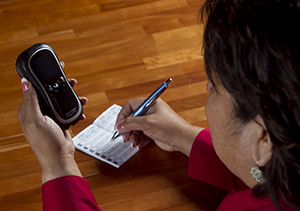
To help protect your sight:
-
Keep your blood sugar level in a healthy range.
-
Check your blood sugar often.
-
Follow your diabetes management plan.
-
Exercise carefully. This will prevent you from putting extra pressure on the blood vessels in the back of your eye.
-
Work closely with your doctors. They can help if you can't keep your blood sugar in range. You may have a doctor whose special area of medicine is diabetes (endocrinologist). Maybe you have a primary care provider. Or it could be any other doctor who helps to manage your diabetes.
Control your risk factors
There are other factors that harm blood vessels. These can make diabetic retinopathy worse. These things include:
-
High blood pressure.
-
Smoking.
-
High cholesterol.
-
Sleep apnea.
-
Poor control of blood sugar levels.
Work with your care team to control these problems. This can help lower your risk of diabetic retinopathy. A diabetes educator can also help. They can help you control blood pressure and high cholesterol. And they can tell you about programs to help you to quit smoking. It's also important to be looked at by an eye doctor once a year, or as advised. Do this even if your sight seems fine.
To learn more
The resources below can help you learn more:
-
American Diabetes Association at www.diabetes.org or 800-342-2383
-
Lighthouse International at www.lighthouse.org or 800-829-0500
-
National Eye Institute at www.nei.nih.gov or 301-496-5248
-
Hormone Health Network at www.hormone.org or 800-467-6663
Date Last Reviewed: 06/01/2025
© 2000-2026 The StayWell Company, LLC. All rights reserved. This information is not intended as a substitute for professional medical care. Always follow your healthcare professional's instructions.Related Articles
Diabetic Retinopathy
The retina is the light-sensitive part of the eye that allows you to see. High blood sugar can damage blood vessels of the retina and cause them to leak or bleed. This damage can lead to abnormal blood vessel growth. This condition is called diabetic retinopathy. Tight control of your blood sugar can help.
Diabetic Retinopathy
Learn about diabetic retinopathy, including causes, risk factors, symptoms, diagnosis, prevention, and treatment.
Diabetic Retinopathy: Evaluating Your Eyes
Diabetic retinopathy is a condition that happens when diabetes harms blood vessels in the back of the eye. Learn what you can do to catch it early.
Treating Diabetic Retinopathy
Treatment may help slow the progress of diabetic retinopathy. Your treatment plan depends on your condition. You may need frequent exams to watch for changes. You may also need laser treatment and other procedures. Here's what you need to know.