You've chosen a hearing aid. Make sure you understand the features of the aid you’re buying. This includes the trial period, the warranty, and the return policy. You'll then start the process of having it fitted. The hearing aid will be custom-made for you. A special graph of your hearing loss (audiogram) will be used as a guide.
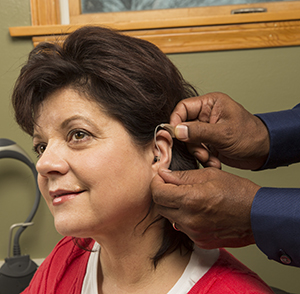
Making a mold of your ear
The hearing aid must be fitted to the shape of your ear. A bad fit can cause sound feedback. It can also cause irritation in the ear canal. A mold of your ear canal may be made. This is painless. The audiologist or hearing aid specialist will put a soft material into your ear. It firms up in a few minutes and is easily removed. This creates a mold of your ear. The mold is then sent to the company that will make your hearing aid.
Checking the fit
When your hearing aid is ready, the fit will be checked. To get ready for the fitting, make a list of questions you have about your hearing aid. Having your questions in writing will help you remember them. The audiologist or hearing aid specialist will make sure it feels comfortable in your ear. The aid will be checked to make sure it works correctly. Tests will be done to check your ability to hear sounds while wearing the aid. After the hearing aid is fine-tuned, you can start wearing it. Ask for instructions about how to care for it. It's important to keep hearing aid batteries out of reach of children and pets. They can be deadly if swallowed.
Online Medical Reviewer: Chris Southard RN
Online Medical Reviewer: Marianne Fraser MSN RN
Online Medical Reviewer: Ronald Karlin MD
Date Last Reviewed: 03/01/2024
© 2000-2025 The StayWell Company, LLC. All rights reserved. This information is not intended as a substitute for professional medical care. Always follow your healthcare professional's instructions.Related Articles

Adjusting to Wearing a Hearing Aid
A hearing aid is an aid to better hearing. It's not a cure for hearing loss. Learn how to get the most out of your new hearing aid.
Caring for a Hearing Aid
A detailed look at how to care for your hearing aid, including daily cleaning and changing batteries. Includes safety tips on keeping hearing aid batteries out of the reach of children and pets.
Hearing aids
Hearing aids are electronic, battery-operated devices that can make sound louder. A microphone receives the sound and converts it into sound waves. The sound waves are then converted into electrical signals.
How Hearing Aids Can Help You
Many people find that a correctly selected and fitted hearing aid helps them hear much better. Here's what you need to know.