Viral respiratory illnesses include colds, the flu, RSV (respiratory syncytial virus), and coronaviruses. SARS-CoV-2, the virus that causes COVID-19, is a type of coronavirus. Illness from SARS-CoV-2 can be similar to other viruses, but this sheet is about viral respiratory illness other than COVID-19.
Treatment of viral respiratory illness focuses on easing your child’s symptoms and making sure that the infection doesn't get worse. Antibiotics don't work against viruses. Antiviral medicines may be used for the flu in some cases. Always call your child’s doctor or seek medical care right away if your child has trouble breathing.
Helping your child feel better
-
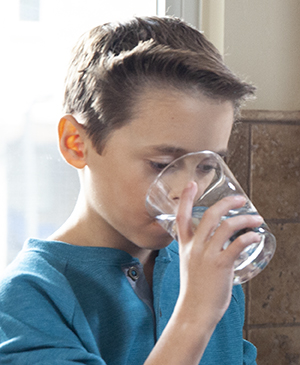
Give your child plenty of fluids, such as water or apple juice.
-
Make sure your child gets plenty of rest.
-
Keep your baby’s nose clear. Use a rubber bulb suction device to remove mucus as needed. Don't be aggressive when suctioning. This may cause more swelling and discomfort.
-
Raise the head of your child's bed slightly to make breathing easier.
-
Run a cool-mist humidifier or vaporizer in your child’s room to keep the air moist and nasal passages clear.
-
Don't let anyone smoke near your child.
-
Treat your child’s fever with acetaminophen. In babies 6 months or older, you may use ibuprofen instead to help reduce the fever. Do not give aspirin to children and teens. It has been linked to Reye syndrome, a rare but serious illness.
When to seek medical care
Most children get over colds and the flu on their own in time, with rest and care from you. Call your child's doctor or seek medical care right away if your child:
-
Has a fever of 100.4°F (38°C) in a baby younger than 3 months.
-
Has a repeated fever of 104°F (40°C) or higher.
-
Has nausea or vomiting, or can’t keep even small amounts of liquid down.
-
Hasn’t urinated for
6 hours or more, or has dark or strong-smelling urine. -
Has a harsh cough, a cough that doesn't get better, wheezing, or trouble breathing.
-
Has flaring of the nostrils while breathing.
-
Has retractions, which is when the skin pulls in between the ribs, with breathing.
-
Has severe or increasing pain.
-
Develops a skin rash.
-
Is very tired or lethargic.
-
Develops a blue color to the skin around the lips or on the fingers or toes.
Featured in
Online Medical Reviewer: Dan Brennan MD
Online Medical Reviewer: Raymond Kent Turley BSN MSN RN
Online Medical Reviewer: Sabrina Felson MD
Date Last Reviewed: 06/01/2025
© 2000-2026 The StayWell Company, LLC. All rights reserved. This information is not intended as a substitute for professional medical care. Always follow your healthcare professional's instructions.Related Articles

Viral Upper Respiratory Illness (Child)
A viral upper respiratory illness is contagious during the first few days. It is spread through the air by coughing, sneezing, or by direct contact. It is not treated with antibiotics.
When Your Child Has a Cold or Flu
Colds and flu differ in a few key ways. Knowing more about these infections may make it easier to prevent them. And if your child does get sick, you can help keep symptoms from becoming worse.
Viral Upper Respiratory Illness with Wheezing (Child)
If an upper respiratory illness causes a lot of irritation, the air passages can go into spasm and cause wheezing even in children who don't have asthma.
Preventing Common Respiratory Infections
Learn about common respiratory infections, such as colds and the flu, and what you can do to prevent them.