Updated for the 2025-2026 flu season
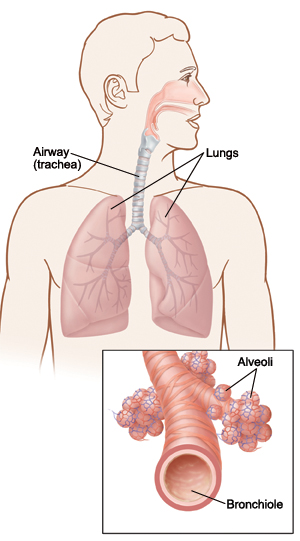
Influenza is also called the flu. It's a viral illness that affects the air passages of your nose, sinuses, throat, and lungs. It's more serious than the common cold. The flu can easily be passed from one person to another. It is very contagious. The flu may be spread through the air by coughing and sneezing. It can also be spread by touching the sick person and then touching your own eyes, nose, or mouth.
The flu starts 1 to 4 days after you are exposed to the flu virus. Symptoms usually last for about 3 days, but it can take 1 to 2 weeks to fully recover. You usually don’t need to take antibiotics unless you are at high risk for or have a complication from a bacterial infection. This might be an ear or sinus infection or pneumonia.
Flu symptoms may be mild or severe. They can include extreme tiredness (wanting to stay in bed all day), chills, fevers, muscle aches, soreness with eye movement, headache, and a dry, hacking cough.
Antiviral medicine for the flu is available by prescription. If you start taking it within 48 hours, it may help reduce how long your symptoms last and how severe they are. Your doctor may do a test to find out if you have influenza and which strain you have.
Home care
Follow these guidelines when caring for yourself at home:
-
Stay away from cigarette smoke, whether it's yours or other people’s.
-
Acetaminophen or ibuprofen will help ease your fever, muscle aches, and headaches. Do not give aspirin to children or teens unless your child’s doctor says it is safe. Aspirin can put your child at risk for Reye syndrome, a rare but serious condition.
-
Nausea, loose stools, and loss of appetite are common with the flu. Eat light meals. Drink 6 to 8 glasses of liquids every day. Good choices are water, sport drinks, soft drinks without caffeine, juices, tea, and soup. Extra fluids will also help loosen secretions in your nose and lungs.
-
Over-the-counter cold medicines will not make the flu go away faster. But the medicines may help with coughing, sore throat, and congestion in your nose and sinuses. Don’t use a decongestant if you have high blood pressure.
-
Stay home until your fever has been gone for at least 24 hours without using medicine to reduce fever.
-
Drink enough fluids so that you don't become dehydrated.
-
Take warm, steamy showers to help soothe your cough.
-
If you have a sore throat, gargling with warm salty water, sucking on an ice cube, drinking hot water with honey and freshly squeezed lemon juice can help.
Follow-up care
Follow up with your doctor, or as advised, if you're not getting better over the next week.
If you're age 50 or older, talk with your doctor about getting a pneumococcal vaccine. You should also get vaccinated against pneumococcal pneumoniae at other ages if you have a weak immune system, chronic asthma, COPD (chronic obstructive pulmonary disorder), or certain other conditions. With very few exceptions, all adults should get a flu vaccine every fall. September and October are generally good times to get vaccinated. Ask your doctor about this.
When to contact your doctor
Contact your doctor right away if you have the flu and any of these happen:
-
You have a cough with lots of colored mucus (sputum) or blood in your mucus.
-
You have chest pain, shortness of breath, wheezing, or trouble breathing.
-
You have a severe headache or face, neck, or ear pain.
-
You have a new rash with fever.
-
You have a fever of 100.4°F (38°C) or higher, or as advised by your doctor.
-
You have confusion, behavior change, or a seizure.
-
You have severe weakness or dizziness.
-
You get a new fever or cough after getting better for a few days.
Also contact your doctor if you have flu symptoms and have a weakened immune system or are taking medicines that can weaken your immune system. These include steroids and certain anti-inflammatory medicines.
Online Medical Reviewer: Jessica Gotwals RN BSN MPH
Online Medical Reviewer: Lalitha Kadali Researcher
Online Medical Reviewer: Sabrina Felson MD
Date Last Reviewed: 08/01/2024
© 2000-2026 The StayWell Company, LLC. All rights reserved. This information is not intended as a substitute for professional medical care. Always follow your healthcare professional's instructions.Related Articles

The Flu (Influenza)
The flu is an infection that affects your respiratory tract. Learn about the risk factors, symptoms, causes, treatment, and more.

Influenza (Flu)
Influenza, or flu, is a respiratory tract infection that spreads easily. Learn about the causes, symptoms, diagnosis, treatment, and more.

Influenza (Flu) in Children
Influenza (flu) is a very contagious viral infection that affects the air passages of the lungs. Learn about the causes, symptoms, diagnosis, treatment, and more.
Influenza (Child)
Learn how to care for your child at home when they have the flu.