Your uterine bleeding may be heavy. Or you may have bleeding between periods. They may be caused by an imbalance of hormones. Or they can be caused by growths, an intrauterine device (IUD), bleeding disorder, or pregnancy. Learn more about the causes below.
Hormonal imbalance
Your menstrual cycle is controlled by hormones. They include estrogen and progesterone. Sometimes there is too much or too little of one or both of these hormones. This can cause heavy periods. Or it can cause bleeding between periods. Causes of hormonal imbalance can include:
- Hormonal changes in teens and in people nearing menopause.
- Diabetes, thyroid disease, or other medical problems.
- Obesity.
- Stress.
- Heavy exercise.
- Anorexia, an eating disorder.
- Pregnancy.
Uterine growths
There are different kinds of uterine growths. These include:
-
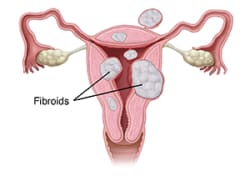
Fibroids. These are round knots of muscle tissue in the uterus. They are not cancer (benign).
-
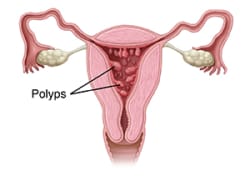
Polyps. These are soft tissue growths in the uterine lining. They often extend into the uterus.
-
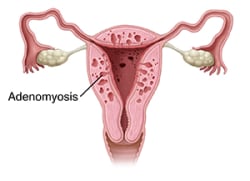
Adenomyosis. This is when the uterine lining grows into the muscle wall.
-
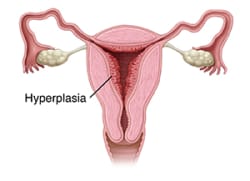
Hyperplasia. This is when the uterine lining gets too thick or grows too much.
-
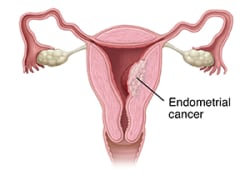
Endometrial cancer. This is uncontrolled growth of abnormal cells in the uterine lining.
Other causes of uterine bleeding
There are other causes of uterine bleeding. They include:
- IUD (intrauterine device). This is a method of birth control. Some IUDs contain hormones.
- Bleeding disorders. This is when the blood can't clot normally.
- Uterine or cervical cancer. This is cancer of the uterus or cervix.
Treatment
Your doctor can help find the cause of your bleeding problem. They will work with you to plan treatment as needed.
Featured in
Online Medical Reviewer: Goode, Paula, RN, BSN, MSN
Online Medical Reviewer: Goodman, Howard, MD
Date Last Reviewed: 09/01/2025
© 2000-2026 The StayWell Company, LLC. All rights reserved. This information is not intended as a substitute for professional medical care. Always follow your healthcare professional's instructions.Related Articles

Abnormal Uterine Bleeding
Abnormal uterine bleeding is irregular bleeding during a menstrual cycle that is caused by hormonal problems. The most common hormonal irregularity occurs because the ovary did not produce an egg during that particular cycle. This video explores other causes and when this bleeding is of concern.

Dysfunctional Uterine Bleeding
Dysfunctional uterine bleeding is a condition in which bleeding is abnormal and occurs at unexpected times of the month. This happens because of changes in the hormones that help control a woman's menstrual cycle.
Menorrhagia
Menorrhagia is heavy or prolonged bleeding during your period. It can be caused by hormone problems or problems with the uterus. Medicines or procedures to treat the uterus can help.
Heavy Menstrual Bleeding
Heavy menstrual bleeding means periods that are heavier or longer than normal. There are many possible causes.