Pelvic inflammatory disease (PID) is inflammation of the female upper genital tract. It is due to an infection that affects organs. These include the uterus, ovaries, fallopian tubes, and cervix. It can cause severe damage to the body if not treated.
Each year, PID is diagnosed in more than a million females in the U.S. PID can causes symptoms bad enough to send you to the emergency room. But in many cases, PID is silent. It can have few or no symptoms. The infection can be treated. This can help prevent lasting damage.
Who gets PID?
PID can happen in females at any age. But most get it in their late teens or early 20s.
Many don’t know they have PID until years later. The longer you have it, the higher the risk of more health problems. The more sex partners you have, the higher the risk. You are also more likely to get PID if you have had it before.
What are the symptoms?
If PID symptoms do happen, they are similar to those of many other health problems. This can make PID hard to find. Symptoms can include:
-
Pelvic pain.
-
Pain during sex.
-
Bleeding after sex.
-
Pain when you urinate, or urinating often.
-
Fever, chills, or other flu-like symptoms.
-
Discharge from the vagina that has a bad odor or an unusual color.
-
Bleeding from the vagina that's not normal.
-
An upset stomach or you vomit.
-
Pain in the upper right belly.
How do you get PID?
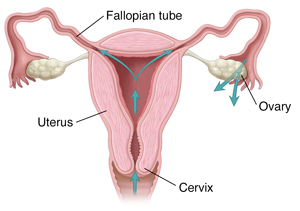
PID happens when certain germs infect the sex organs. Often this happens because you are infected with an STI (sexually transmitted infection).
In a few cases, PID develops from bacteria normally found in the vagina and cervix. It can also happen if someone has recently had an IUD (intrauterine device) placed for birth control. This risk is higher in the first 3 weeks after the IUD is put in place.
Treatment can help
PID can often be cured when found and treated early.
But PID can cause severe health problems if not treated. These include damage to the reproductive organs, pelvic pain, and problems getting pregnant (infertility). In rare cases, problems caused by PID can even cause death. This is why PID should be treated as soon as possible.
Featured in
Related Articles

Pelvic Inflammatory Disease (PID)
Pelvic inflammatory disease is an infection of the female reproductive organs. It is most often caused by gonorrhea or chlamydia. If not treated promptly, it can lead to serious health problems.
Pelvic Inflammatory Disease (PID)
Pelvic inflammatory disease or PID is an infection of a woman’s reproductive tract. Scar tissue grows between internal organs leading to ongoing pelvic pain. It can also lead to ectopic pregnancy.
Pelvic Inflammatory Disease
Pelvic inflammatory disease is a bacterial infection of the pelvic organs. It may affect only the fallopian tubes, or it may include all the pelvic organs, the uterus, ovaries, and fallopian tubes. This video explains how this common disease occurs and what steps you can take to prevent it.
Talking About Pelvic Inflammatory Disease (PID)
If you have PID, talking about it can be hard. But your health is at stake. If a recent STI caused your PID, your partner must be tested and treated. If you've had PID for many years, you and your partner may now need to discuss problems such as infertility.