If you have Rh-negative blood, your baby may be at risk for health problems. This is true only if your baby has Rh-positive blood. A simple test followed by treatment can help prevent problems.
What are the risks?
If the blood of your baby is Rh positive, your Rh-negative blood may form antibodies. These antibodies will attack the Rh-positive blood. This is called Rh disease. Rh disease can cause your baby to lose blood cells or have other health problems. Medical treatment can prevent Rh disease by keeping antibodies from forming.
How are you tested?
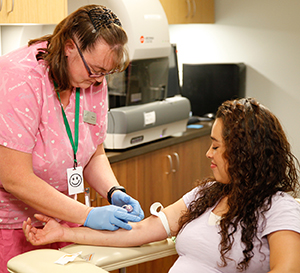
A simple blood test shows if you’re Rh negative. This test is done very early in your pregnancy. If you’re Rh negative, you’ll have a second blood test near week 28 of pregnancy. This test will check whether or not your blood contains Rh antibodies.
Online Medical Reviewer: Donna Freeborn PhD CNM FNP
Online Medical Reviewer: Heather Trevino
Online Medical Reviewer: Liora C Adler MD
Date Last Reviewed: 12/01/2022
© 2000-2025 The StayWell Company, LLC. All rights reserved. This information is not intended as a substitute for professional medical care. Always follow your healthcare professional's instructions.Related Articles

Rh Typing
Rh typing is very important during pregnancy. If you are Rh negative and your baby is Rh positive, you may have an Rh incompatibility.
If You Are Rh Negative
If you're Rh negative, ask your healthcare provider about getting treated with Rho(D) immune globulin. Even if you miscarry or don't deliver the baby, you will still need treatment.
Rh Disease
Rh disease occurs during pregnancy. It happens when the Rh factors in the birth parent's and baby’s blood don’t match. It may also happen if the birth parent and baby have different blood types.
Blood Types in Pregnancy
A baby may have the blood type and Rh factor of either parent, or a combination of both parents.