Overview
A stool analysis is several tests done on a sample of stool (bowel movement). It is done to find a problem in
the digestive tract. Or it may be done to find the cause of symptoms such as pain, gas, or diarrhea. Your
doctor will tell you if you need to stop eating certain foods or stop taking medicines before collecting the
sample.
How is it done?
You will be given stool collection kits to use each day. You may need to collect more than one sample. Follow
the directions in the kits. The contents may be different.
Here are the steps for taking a sample.
|
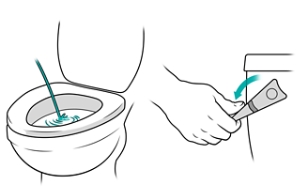
1. Urinate before you collect stool so you don't get any urine in the sample. |
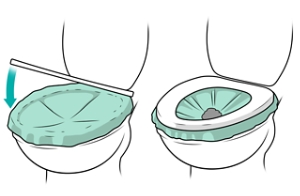
2. Follow the directions for putting the sample collection container on the toilet. Pass stool (have |
|
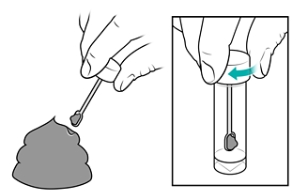
3. Use the stick to take a sample of the stool and place it in the provided bottle. |
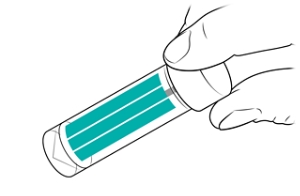
4. Place the lid on the container. Label it with your name and the date the stool was collected. |
|
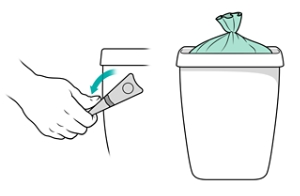
5. Flush the remaining stool down the toilet. Seal the collection container in a bag and throw it |
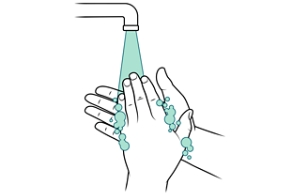
6. Wash your hands. Your doctor will tell you when to return the sample to the lab. |
Follow-up care is a key part of your treatment and safety. Be sure to make and go to all
appointments, and call your doctor if you are having problems. It's also a good idea to keep a list of the
medicines you take. Ask your doctor when you can expect to have your test results.
Current as of: May 13, 2023
Content Version: 14.0
Care instructions adapted under license by your
healthcare professional. If you have questions about a medical condition or this instruction, always ask
your healthcare professional. Healthwise, Incorporated disclaims any warranty or liability for your use of
this information.
Related Articles

Stool Culture
This test looks for bacteria, viruses, and other organisms in your stool. This test can help find out what's causing a digestive tract infection.
Colorectal Cancer Screening: Testing for Blood in Your Stool
There are several ways to screen for the possibility of colorectal cancer, and testing for blood in your stool is one of them. These tests can detect signs of colorectal cancer or polyps because sometimes colorectal cancers or polyps bleed into your digestive tract. This blood can then go into your stool or feces. While these tests might sound uncomfortable, there is some good news. They can be done in the comfort of your own home.
Urine Test
A urine test checks your urine for problems. It is often done to look for an infection in the urinary tra...
Digestive Diagnostic Procedures
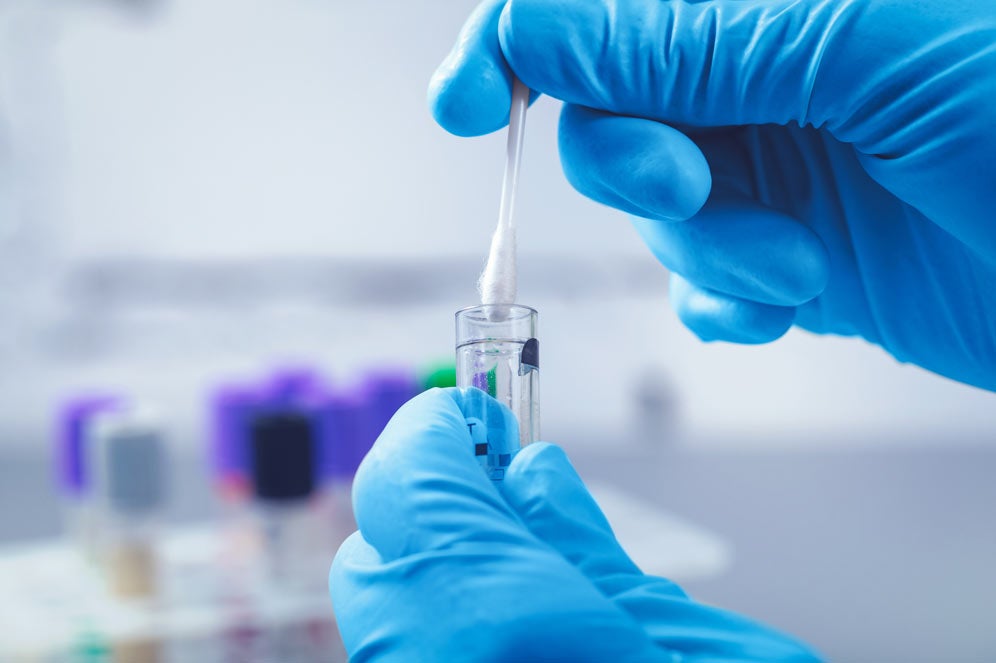
Detailed information on the most common tests and procedures used to diagnosis digestive disorders