Overview
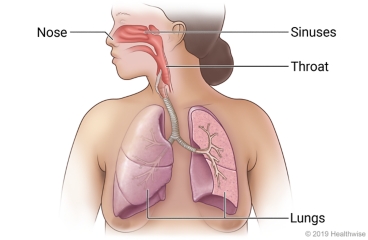
An upper respiratory infection, or URI, is an infection of the nose, sinuses, or throat. URIs are spread by
coughs, sneezes, and direct contact. The common cold is the most frequent kind of URI. The flu and sinus
infections are other kinds of URIs.
Almost all URIs are caused by viruses. Antibiotics won't cure them. But you can treat most infections with
home care. This may include drinking lots of fluids and taking over-the-counter pain medicine. You will
probably feel better in 4 to 10 days.
Follow-up care is a key part of your treatment and safety. Be sure to make and go to all
appointments, and call your doctor if you are having problems. It's also a good idea to know your test results
and keep a list of the medicines you take.
How can you care for yourself at home?
-
To prevent dehydration, drink plenty of fluids. Choose water and other clear liquids until you feel
better. If you have kidney, heart, or liver disease and have to limit fluids, talk with your doctor before
you increase the amount of fluids you drink. -
Ask your doctor if you can take an over-the-counter pain medicine, such as acetaminophen (Tylenol),
ibuprofen (Advil, Motrin), or naproxen (Aleve). Be safe with medicines. Read and follow all instructions on
the label. No one younger than 20 should take aspirin. It has been linked to Reye syndrome, a serious
illness. -
Be careful when taking over-the-counter cold or flu medicines and Tylenol at the same time. Many of these
medicines have acetaminophen, which is Tylenol. Read the labels to make sure that you are not taking more
than the recommended dose. Too much acetaminophen (Tylenol) can be harmful. -
Get plenty of rest.
-
Use saline (saltwater) nasal washes to help keep your nasal passages open and wash out mucus and
allergens. You can buy saline nose sprays at a grocery store or drugstore. Follow the instructions on the
package. Or you can make your own at home. Add 1 teaspoon of non-iodized salt and 1 teaspoon of baking soda
to 2 cups of distilled or boiled and cooled water. Fill a squeeze bottle or neti pot with the nasal wash.
Then put the tip into your nostril, and lean over the sink. With your mouth open, gently squirt the liquid.
Repeat on the other side. -
Use a vaporizer or humidifier to add moisture to your bedroom. Follow the instructions for cleaning the
machine. -
Do not smoke or allow others to smoke around you. If you need help quitting, talk to your doctor about
stop-smoking programs and medicines. These can increase your chances of quitting for good.
When should you call for help?

anytime you think you may need emergency care. For example, call if:
|
|
|
|
|
|
Call your doctor now or seek immediate medical care if:
|
|
|
|
|
|
|
|
|
Watch closely for changes in your health, and be sure to contact your doctor if:
|
|
|
|
|
|
|
|
|
|
|
|
Current as of: June 12, 2023
Content Version: 14.0
Care instructions adapted under license by your
healthcare professional. If you have questions about a medical condition or this instruction, always ask
your healthcare professional. Healthwise, Incorporated disclaims any warranty or liability for your use of
this information.
Related Articles

Common Cold in Children
The common cold is one of the most common illnesses in children. Most children will have at least 6 to 8 colds a year.
Viral Upper Respiratory Illness (Adult)
A viral upper respiratory illness is contagious during the first few days. It is spread through the air by coughing and sneezing. It is not treated with antibiotics.
Viral Upper Respiratory Illness With Wheezing (Adult)
If a viral upper respiratory illness causes a lot of irritation, the air passages can go into spasm. This causes wheezing and shortness of breath.
Upper Respiratory Infections
Detailed information on upper respiratory infections, upper respiratory infections symptoms, upper respiratory infections treatment